Choosing a cerave face wash? Learn how it works, who it suits, key ingredients, pros and cons, and smart buying tips to match your skin type confidently.
Cerave Face Wash: A Dermatology-Trusted Cleanser for Balanced, Healthy Skin
Finding the right cleanser can be surprisingly frustrating. Many people wash their face daily yet still deal with dryness, irritation, excess oil, or recurring breakouts. Often, the problem isn’t the rest of the routine — it starts with the cleanser itself.
A poorly matched face wash can quietly weaken the skin barrier, disrupt hydration, and make common concerns worse. This is why products like cerave face wash have gained such a strong following among dermatologists and everyday skincare users across the United States.
Rather than promising dramatic overnight changes, Cerave focuses on supporting how skin naturally functions. That difference in philosophy matters more than many consumers realize.

If you’re considering a cerave face wash but aren’t sure whether it’s right for your skin type or goals, this guide breaks everything down in a practical, experience-driven way.
Dermatologists also recommend using gentle, fragrance-free cleansers daily to maintain healthy skin, according to Mayo Clinic dermatologist skincare advice on cleansing and hydration.
What Exactly Is Cerave Face Wash?
Cerave face wash is not a single product but a collection of cleansers designed around a core principle: cleansing without compromising the skin barrier.
Traditional cleansers often prioritize strong foaming action or a squeaky-clean feel. While that sensation may feel satisfying, it frequently signals excessive removal of protective lipids. Over time, this can lead to tightness, sensitivity, and imbalance.
Cerave formulations take a different route. They aim to remove dirt, oil, sunscreen, and impurities while preserving moisture and barrier integrity. This makes them especially popular among individuals with sensitive, dry, or easily irritated skin.
The brand’s cleansers are commonly categorized for different needs, including:
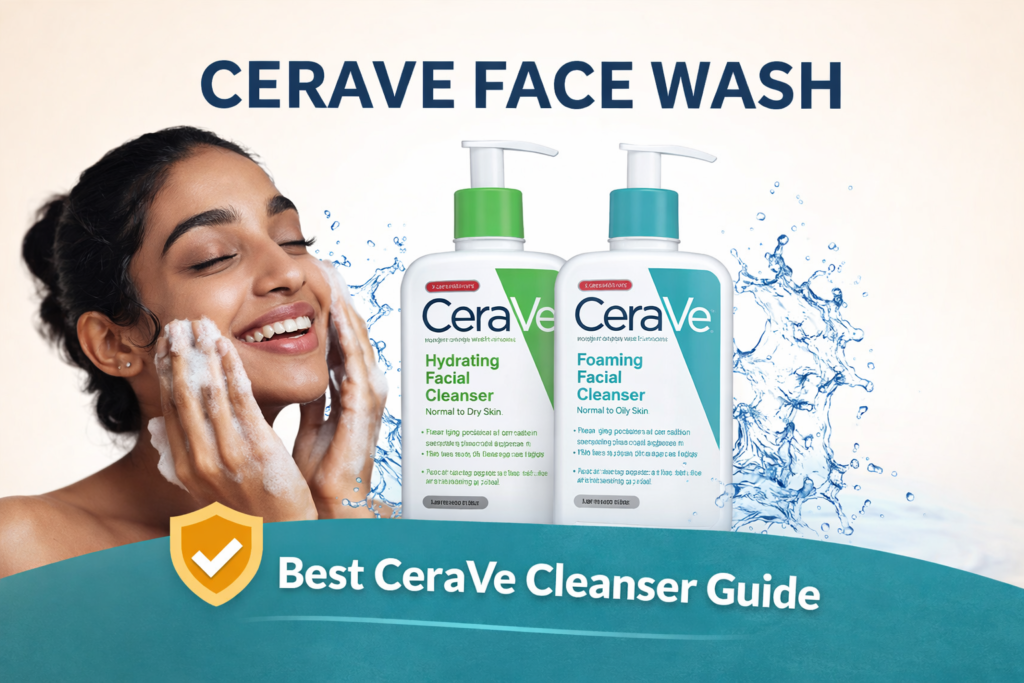
– Hydrating cleansers for dry skin
– Foaming cleansers for normal to oily skin
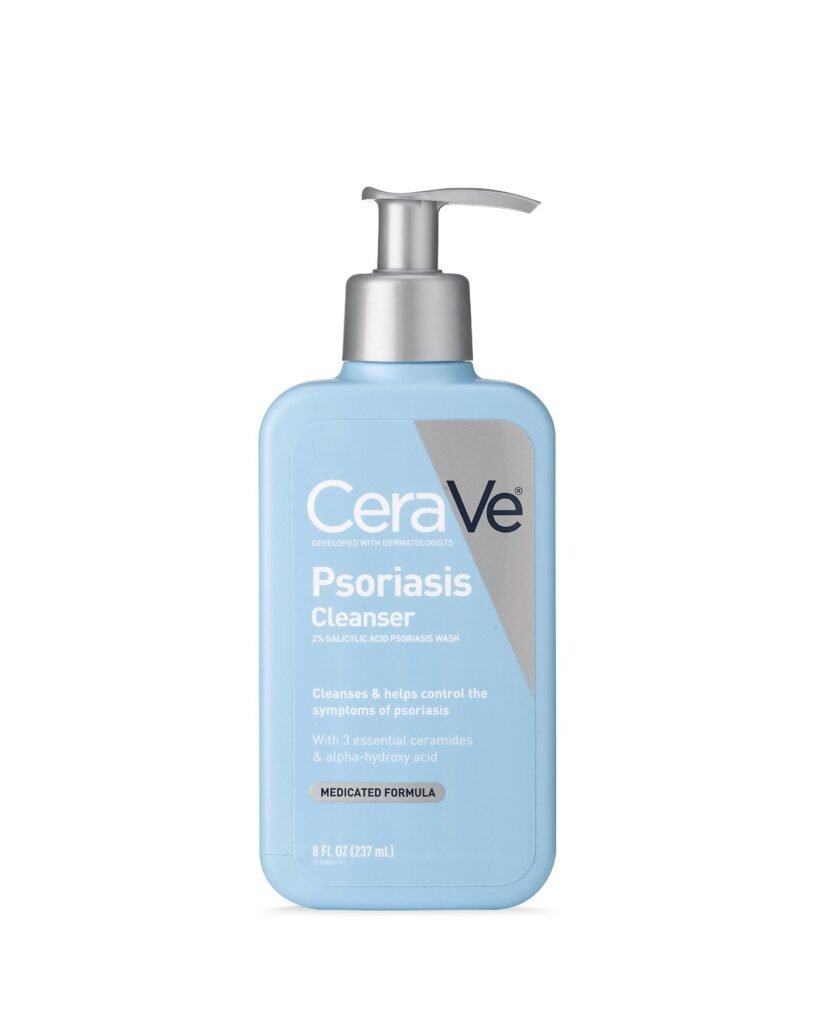
– Acne-focused cleansers
– Cream-to-foam hybrids
– Sensitive skin options
This variety is important because cleansing needs vary widely from person to person.
Why Your Cleanser Plays a Bigger Role Than You Think
Many skincare routines emphasize serums and treatments, yet cleansing is the foundation of everything. If cleansing disrupts the skin daily, even the best products may struggle to perform effectively.
An appropriate face wash should:
– Clean without excessive stripping
– Maintain hydration balance
– Minimize irritation risk
– Support the skin barrier
This is where cerave face wash often stands out. Its design philosophy aligns closely with dermatological understanding of skin physiology rather than cosmetic trends.
Healthy skin frequently depends more on consistency and compatibility than intensity.
Realistic Benefits of Cerave Face Wash
Gentle Daily Cleansing
Cerave cleansers are widely recognized for being mild. This makes them suitable for individuals who experience tightness or stinging after washing.
Instead of aggressive surfactants, many formulas use gentler cleansing agents that help reduce barrier disruption.
Barrier-Friendly Formulation
Skin barrier damage is a common but underappreciated issue. A compromised barrier often presents as dryness, redness, increased sensitivity, or unpredictable breakouts.
Cerave products are developed with barrier support in mind, which is one reason they are frequently recommended by skincare professionals.
Hydration Preservation
Some cleansers leave skin feeling clean but dehydrated. Cerave face wash variants, particularly hydrating formulas, help reduce that uncomfortable post-wash dryness.
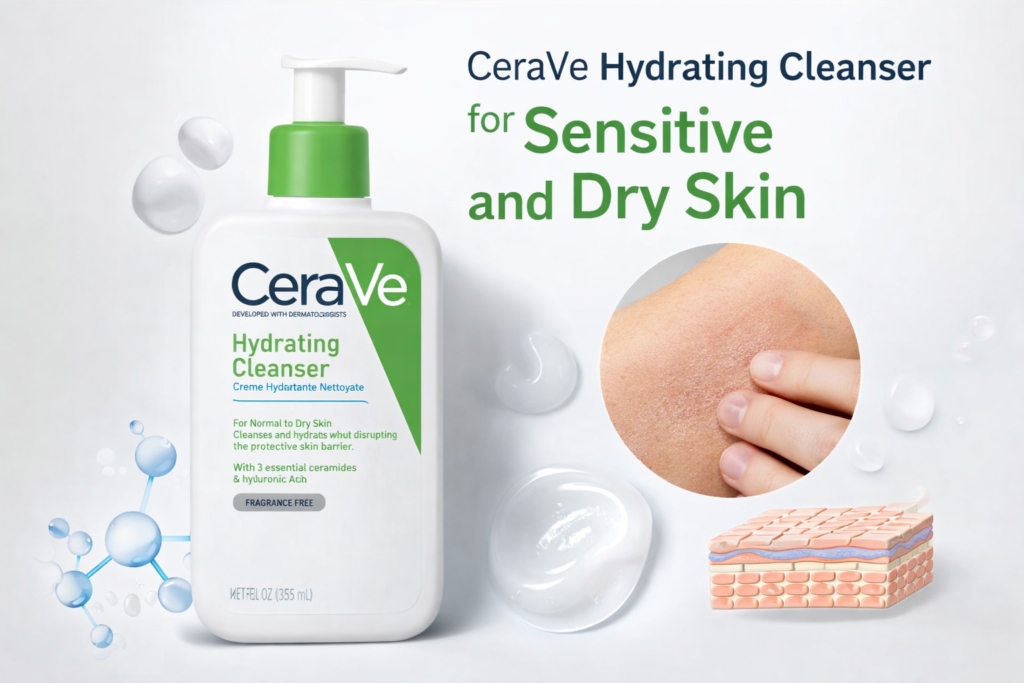
One of the most popular options for dry skin is CeraVe Hydrating Cleanser, which is designed to cleanse while keeping the skin moisturized and comfortable.
Broad Skin Type Accessibility
Whether someone has dry, oily, combination, or sensitive skin, Cerave offers targeted options rather than a one-size-fits-all solution.
These benefits are practical and sustainable, not exaggerated promises.
Who May Benefit Most From Cerave Face Wash ?
Cerave face wash is often well-suited for individuals who:
– Experience dryness after cleansing
– Have sensitive or reactive skin
– Use active ingredients like retinoids or exfoliants
– Prefer low-irritation routines
– Want dermatologist-aligned products
Because of its mildness, it’s commonly chosen by those seeking stability rather than aggressive treatment.

Skin comfort and tolerance are often overlooked but crucial factors in routine success.
Who Might Prefer an Alternative Cleanser ?
While cerave face wash works well for many users, preferences and skin needs vary.
Some individuals may look elsewhere if they:
– Prefer strongly exfoliating cleansers
– Want intense foaming or fragrance
– Require prescription-grade acne products
– Dislike creamy or lotion-like textures
This does not indicate a product flaw — it reflects individual expectations and skin biology.
How to Use Cerave Face Wash Properly ?
Application technique can significantly influence results.
Use Lukewarm Water
Hot water can worsen dryness and sensitivity. Lukewarm water supports gentler cleansing.
Apply a Small Amount
More cleanser does not equal better cleansing. Excess product can increase irritation risk.
Cleanse With Gentle Motions
Aggressive rubbing or scrubbing often aggravates skin issues rather than improving cleanliness.
Rinse Thoroughly
Residual cleanser may contribute to irritation or dullness.
Follow With Moisturizer
Cleansing and moisturizing are complementary. Even oily skin benefits from appropriate hydration.
Consistency typically matters more than complexity.
Cerave Face Wash Ingredients
Ceramides
Ceramides are essential lipids naturally present in the skin barrier. Their inclusion supports barrier resilience and moisture retention.
Hyaluronic Acid
This humectant helps attract water, contributing to hydration balance.
Niacinamide
Often valued for its soothing and barrier-supportive properties.
Rather than acting as aggressive treatment agents, these ingredients help maintain skin stability.
👉 If you want to understand why ceramides matter for healthy skin, read the detailed explanation on CeraVe’s guide to ceramides and skincare ingredients.
Pros and Cons of Cerave Face Wash
Pros
– Generally well tolerated by sensitive skin
– Barrier-supportive formulation approach
– Widely accessible in the US
– Fragrance-free options available
– Suitable for daily use
Cons
– May feel too mild for some preferences
– Limited exfoliating action
– Texture may not appeal to everyone
– Results depend on full routine
Balanced evaluation improves decision-making and builds trust.
No cleanser is universally perfect for every individual.
How Cerave Face Wash Compares With Other Cleansers
Compared with many traditional drugstore cleansers, cerave face wash often prioritizes skin compatibility over sensory drama.
You may notice:
Less emphasis on fragrance
Moderate or gentle foaming
Focus on hydration preservation
For users with dryness or sensitivity, this approach frequently proves beneficial.
For those seeking strong exfoliation or deep oil removal sensations, other categories may feel more satisfying.
Smart Buying Guidance for Cerave Face Wash
Before purchasing, consider:
Your skin type and seasonal shifts
Texture preference (gel, foam, cream)
Current skincare products
Sensitivity history
Specific concerns (dryness, oil, acne)
Selecting a cleanser based on skin behavior rather than popularity often yields better outcomes.
Avoid overcomplicating the decision — suitability matters more than trends.
Frequently Asked Questions About Cerave Face Wash
Is CeraVe face wash good for sensitive skin?
Yes, CeraVe face wash is generally very good for sensitive skin because most formulas are fragrance-free and dermatologist developed. These cleansers contain skin-supporting ingredients like Ceramides, Niacinamide, and Hyaluronic Acid, which help cleanse gently without irritating the skin. Many people with sensitive or reactive skin prefer CeraVe because it cleans effectively while helping maintain the skin’s natural protective barrier.
What ingredients in CeraVe face wash help hydrate dry skin?
The main ingredients in CeraVe face wash that hydrate dry skin are Ceramides, Hyaluronic Acid, and Glycerin. Hyaluronic Acid attracts moisture to the skin, while Ceramides help repair and strengthen the skin barrier. Together, these ingredients help cleanse the face while keeping the skin soft, hydrated, and comfortable.
Does CeraVe face wash clean without over-drying?
Yes, CeraVe face wash is designed to clean the skin without over-drying it. The formulas remove dirt, oil, and impurities while supporting the skin barrier with moisturizing ingredients like Ceramides. As a result, the skin feels clean and refreshed rather than tight, dry, or stripped after washing.
How effective is CeraVe face wash at maintaining the skin barrier?
CeraVe face wash is highly effective at supporting the skin barrier because it contains three essential Ceramides (Ceramide NP, AP, and EOP). These lipids help strengthen the outer layer of the skin and prevent moisture loss. Regular use can help maintain healthy, balanced skin while still providing gentle cleansing.
Which CeraVe face wash is best for acne-prone skin?
The best CeraVe face wash for acne-prone skin is usually CeraVe Foaming Facial Cleanser or CeraVe Acne Control Cleanser. These formulas help remove excess oil and unclog pores while keeping the skin barrier protected. Ingredients like Niacinamide and Salicylic Acid can help calm inflammation and reduce breakouts
Is CeraVe face wash suitable for combination skin?
Yes, CeraVe face wash works well for combination skin because it balances oil control and hydration. Cleansers like CeraVe Foaming Facial Cleanser remove excess oil from the T-zone while still keeping drier areas of the face comfortable. This makes it a popular option for people with both oily and dry areas
Does CeraVe face wash leave residue after washing?
No, CeraVe face wash typically does not leave a heavy residue when rinsed properly. Hydrating formulas may leave the skin feeling soft and moisturized, but this is due to barrier-supporting ingredients rather than leftover product. The skin should feel clean, smooth, and comfortable after cleansing.
Is CeraVe face wash gentle enough for daily use?
Yes, CeraVe face wash is gentle enough for daily use, and most dermatologists recommend using it twice daily. The formulas are designed to cleanse without damaging the skin barrier, making them suitable for morning and nighttime skincare routines. Regular cleansing helps remove oil, dirt, and environmental pollutants.
Is CeraVe face wash good for eczema-prone skin?
CeraVe face wash can be a good option for eczema-prone skin because it focuses on hydration and barrier support. Ingredients like Ceramides help strengthen the skin barrier, which is often weakened in eczema. However, people with severe eczema should choose the most gentle hydrating formula and patch-test first.
Is CeraVe better than Cetaphil for dry or sensitive skin?
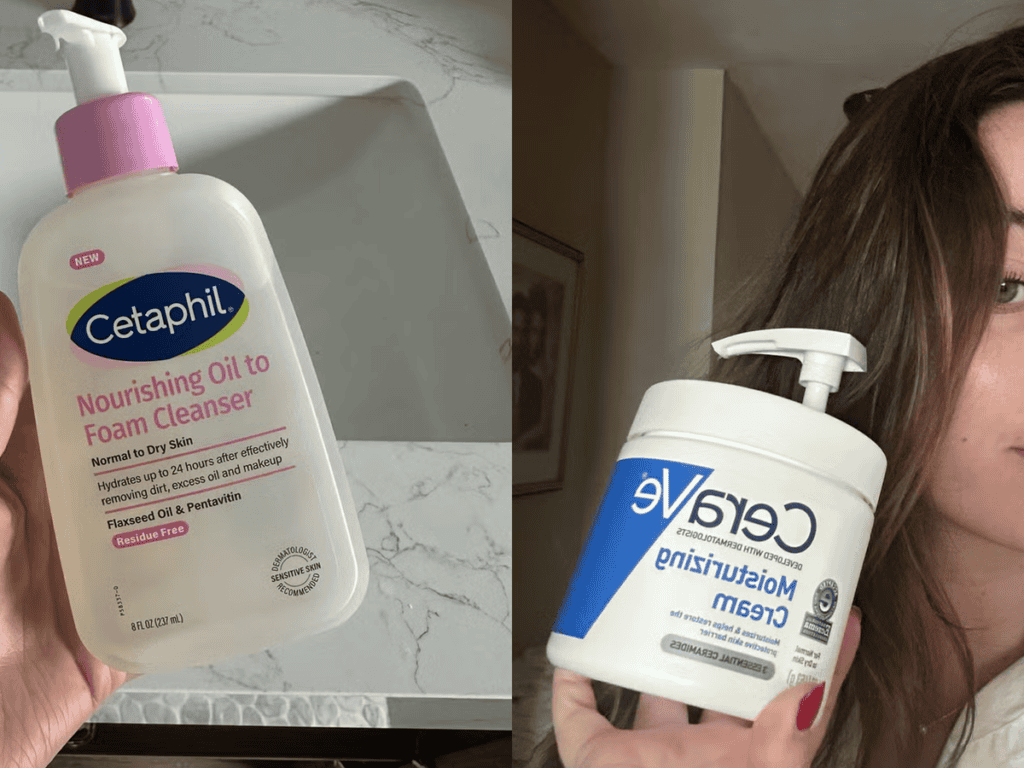
Both CeraVe and Cetaphil are excellent cleansers for dry and sensitive skin, but they have slightly different strengths. CeraVe is often preferred for its Ceramide-based formulas that focus on repairing the skin barrier. Cetaphil, on the other hand, is known for its extremely mild and simple formulations, so the best choice depends on individual skin needs.
Final Thoughts on Choosing Cerave Face Wash
Effective skincare is rarely about dramatic products. It is more often about gentle, consistent support of the skin’s natural balance.
Cerave face wash has built credibility largely because it aligns with dermatological principles rather than exaggerated claims. For many individuals, this translates into improved comfort, reduced irritation, and better routine stability.
If your current cleanser leaves your skin tight, dry, or unpredictable, exploring a milder option may be a reasonable step.
Healthy skin often begins with a simple foundation: cleansing that respects the barrier rather than challenging it.